
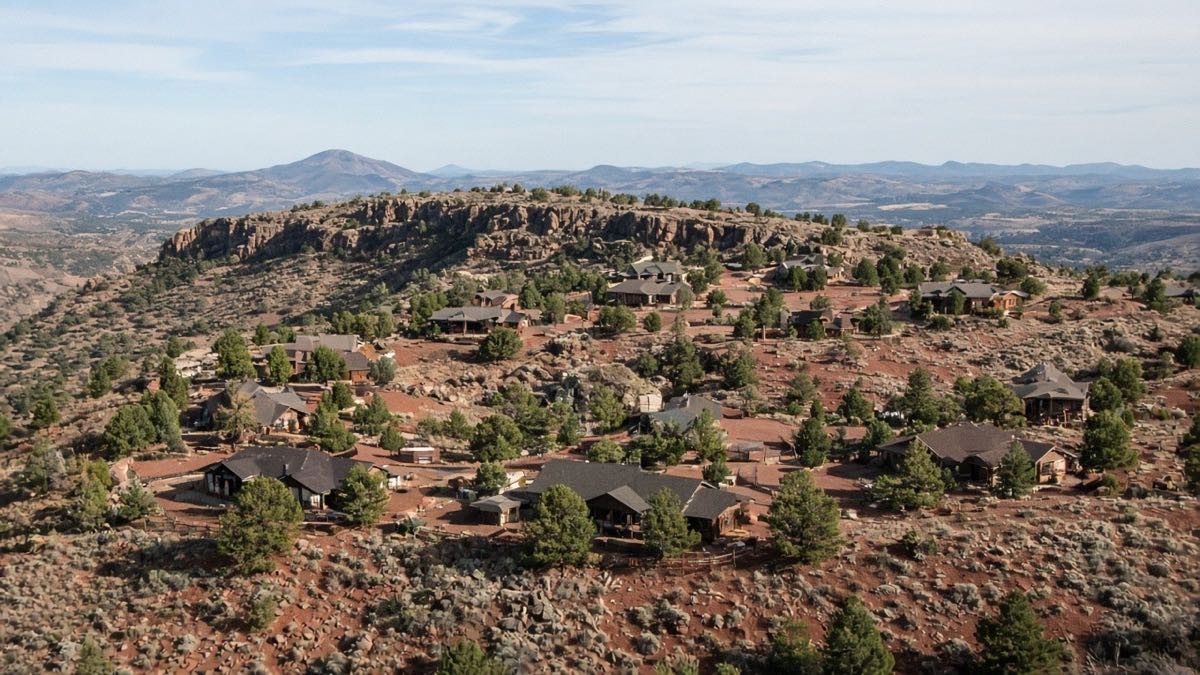
The Virginia City Highlands and Highland Ranches sit on the ridge of the Virginia Range in Storey County. There is no municipal drinking-water utility for this community. The U.S. Geological Survey describes about 1,400 residents who rely exclusively on domestic wells. Well depths in the area range from 75 to 1,175 feet below land surface. If you live here, you are not choosing between city water and a well. You are on a well.
The aquifer is fractured volcanic rock — USGS calls it among the least understood aquifer types in Nevada’s Basin and Range. Most Northern Nevada towns we write about pull from basin-fill. The Highlands do not. That is why a Fernley or Fallon ppb range does not get pasted onto this page.
A water table that is dropping
USGS Nevada Water Science Center monitors wells in the Highlands. Between 1997 and 2016, water levels declined about 50 feet at one monitored site and about 165 feet at another near the center of development. Monitoring wells were dropping at an average of about 5.7 feet per year. State well-log records showed 103 of 623 domestic wells (17%) had been deepened or replaced; in the most densely built part of the Highlands, about 30% of wells had been deepened. Wells finished before 1997 averaged 225 feet. Wells finished after 1997 averaged 375 feet.
Some residents, USGS notes, have found deepening a well financially unrealistic and instead pay for hauled potable water. A deeper well is a supply fix. It is not an arsenic test, and it is not treatment.
What we will not invent
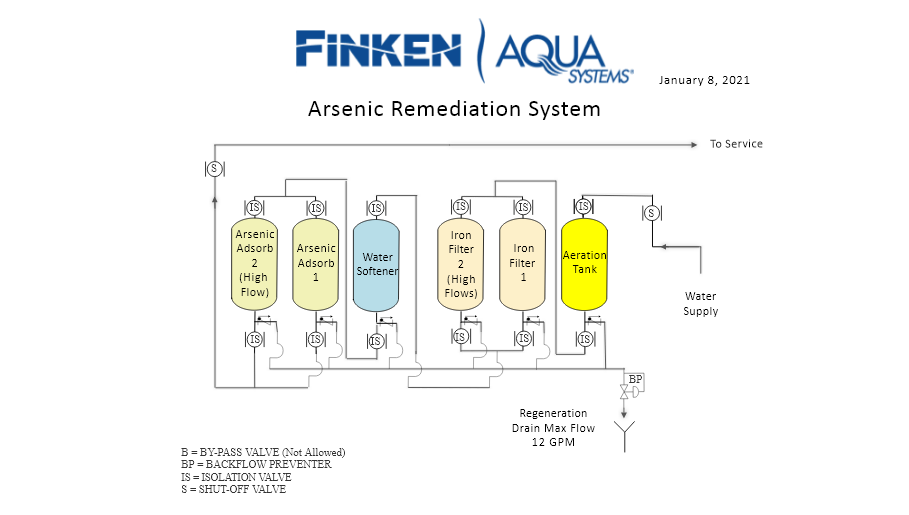
We do not publish a parts-per-billion range for Virginia City Highlands. We have not put this community on the infographic with a local band, and we will not borrow Fallon, Fernley, or a third-party “modeled chance” and call it a Highlands measurement. Testing is how you know. Iron is the other local fact we will own: Highlands wells can run very high iron, and iron blocks arsenic media. A tank sold for arsenic that never accounts for iron is a common miss on volcanic-rock wells.
Your neighbor drilled deeper. That is not your lab sheet.
Two Highlands lots can sit on different fractures. One well is 200 feet and still producing. The next was deepened to 400 feet last year. Depth, yield, iron, and arsenic are not inherited from the driveway next door. Hauling water, installing a cistern, or replacing a pump also does not replace a certified arsenic result.
The short science
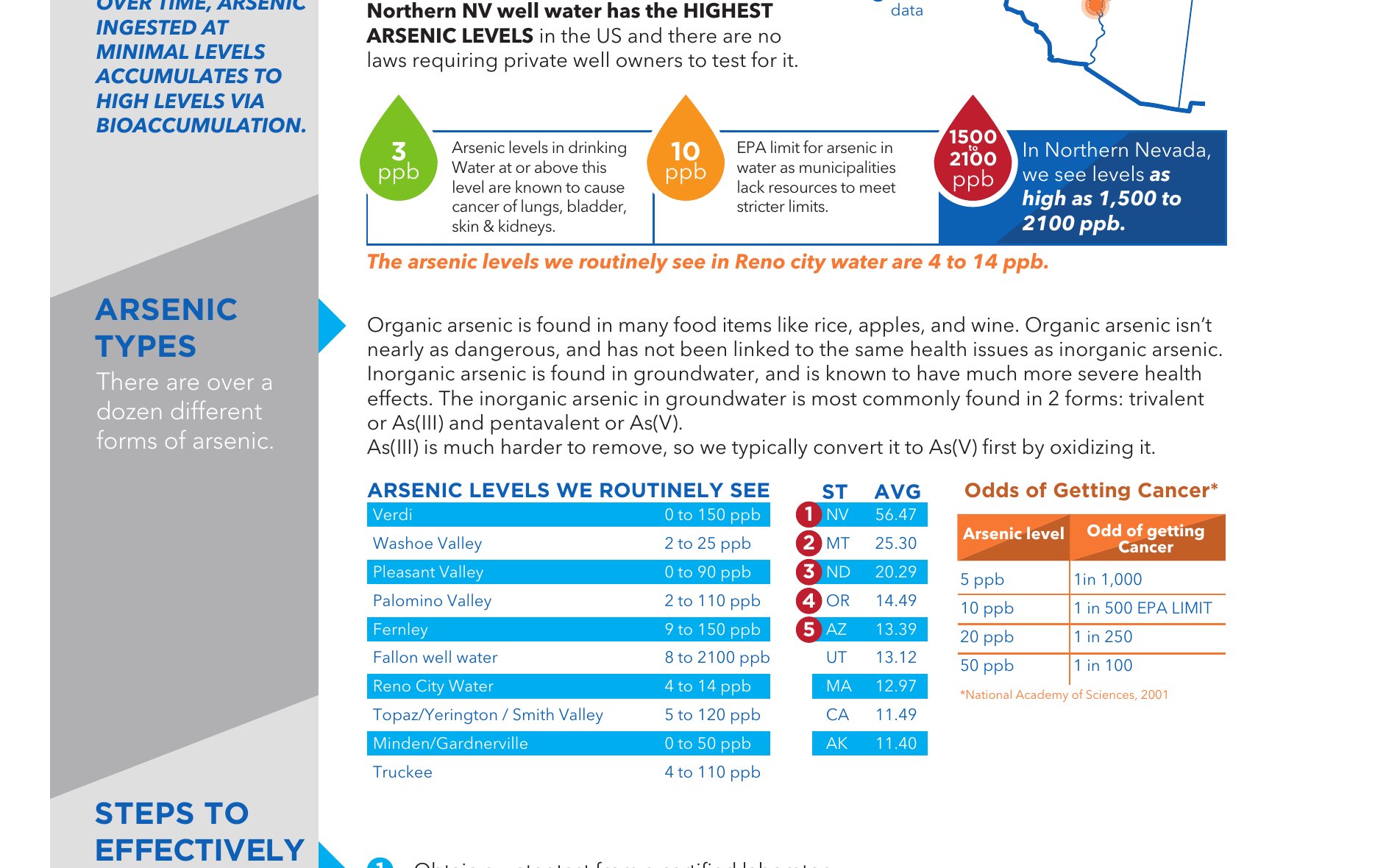
The EPA limit is still 10 ppb, even when a town has no published local range. DRI’s 2022 study found 22% of 174 Northern Nevada private wells over that limit. Pure Water’s tested wells exceed it 58% of the time. Those studies did not publish a Highlands-only rate. As(III) versus As(V) and iron fouling still decide whether treatment works. Staging belongs on arsenic-awareness.
Deepening a well is not treating the water
“Arsenic treatment is not one-size-fits-all. It must be properly tested, designed, and installed to perform correctly.”
Bryce Pollock, managing partner
If the pump is dropping, call a well driller about yield. If you drink the water, call a certified lab about arsenic — and tell us about iron. We design Highlands systems from chemistry and flow, not from a town chart we do not have. Storey County well logs explain why so many neighbors have drilled deeper. They do not explain what is in the glass.
Get a free certified lab arsenic test
Every Virginia City Highlands home is on a domestic well. If you have never had a certified lab arsenic test, October is Arsenic Awareness Month. Call (775) 324-2001 or request a free certified lab arsenic test.
Pure Water Systems of NV. 245 Vine St, Reno, NV 89503. NV Lic #94724. CA Lic #1054103.