
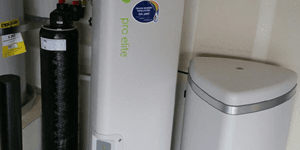
One of the most prominent water problems in Northern Nevada, especially in Fernley, Dayton, and Reno, is extremely hard water. Most residents already have a softening system and have us perform preventative maintenance on it, but there will come a time when it needs replacing.
Water softeners do an important job, removing minerals such as calcium and magnesium from the water in your home. Like any other appliance, a softener will only last so long. Eventually components break, electrical problems occur, and it stops working.
Well maintained, softeners have a typical lifespan of 10 to 15 years. If yours was installed more than a decade ago, replacement may be the right option, technology has changed dramatically and there are far more efficient options now.
How long a softener lasts also depends on how hard it has to work, which comes down to your water. If you are softening extremely hard water, or well water with iron, your equipment may need replacing sooner.
Four Signs Your Softener Needs Service or Replacement
These signs don’t always mean replacement. It could be a component, the media, a jammed valve, a system that needs cleaning, or simply an empty brine tank. If you’re unsure, have someone look at it.
1. Not enough lather
Soap refusing to lather is a telltale sign of hard water. If you’re having a hard time soaping up in the shower, or going through shampoo and soap faster than usual, check your softener.
2. Laundry problems
Washing clothes in hard water makes them stiff and scratchy. Fabric softener counteracts this to a point, but the real fix is a softener that’s actually removing the minerals. Hard water also damages washing machines, water heaters, and dishwashers.
3. Crusty buildup around pipes and faucets
Minerals in hard water leave a chalky buildup around pipes and fixtures. Pay attention to your faucets when cleaning the kitchen and bathroom, if a crust is forming, look at your softener.
4. Your water tastes different
Hard water tastes different from soft water. If you drink straight from the tap, changes in taste can mean increased mineral content getting through.
Benefits of a New Softener
A new softener makes it easier to keep the house clean, gives you softer clothes and better hair and skin, and helps your water-using appliances last as long as they should.
It also lets you take advantage of newer technology. Much like a furnace, a modern softener is more efficient than one built 15 years ago, but softeners have gone further. Proportional regeneration settings save salt and conserve water, salt monitors alert you when the tank needs filling, chlorine generators keep the system clean, and some models connect to Wi-Fi.
Are You Happy With Your Water?
If you have complaints about your water quality, there’s a good chance hardness isn’t the only thing causing them.
Some people assume softeners fix a range of problems, but they are specifically designed to remove hard minerals. Excessive iron, acidity, and total dissolved solids all require additional filtration. It’s entirely possible your softener is working correctly and different equipment is what you actually need.
And while some people like the taste of soft water, the best way to get high quality drinking water is a reverse osmosis system, which reduces a wide range of contaminants.
Water quality changes over time. If you’re thinking about replacing your softener or having it serviced, get your water evaluated first so you end up with the right equipment. Book a free water test and we’ll tell you what you’re actually dealing with.