
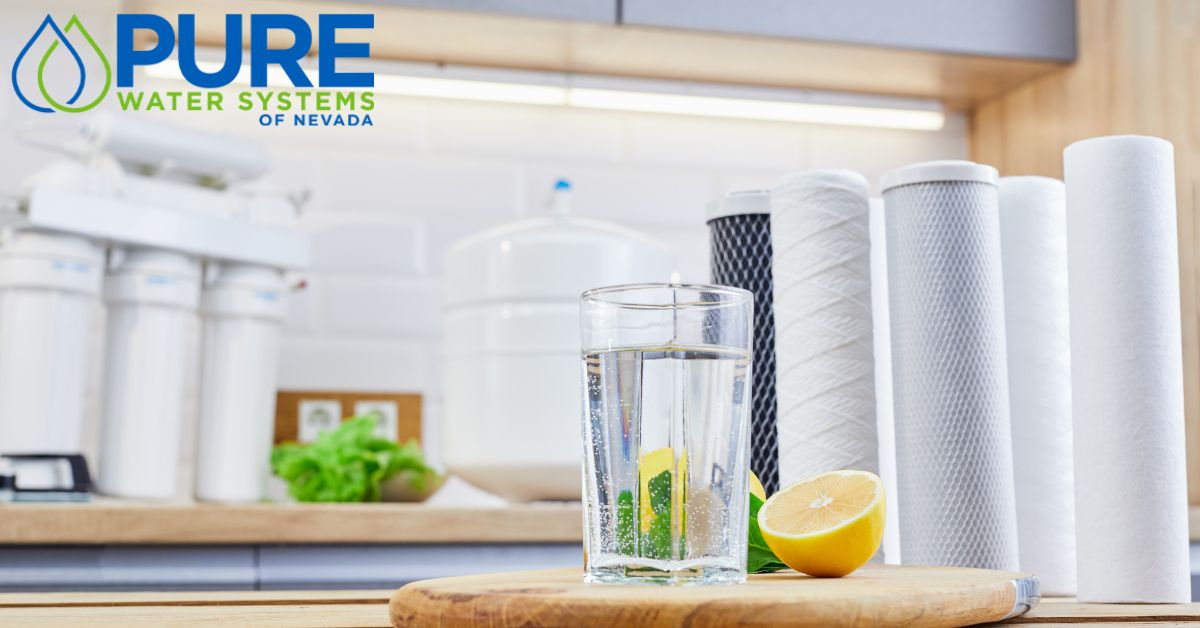
Water purification systems come in various forms, each utilizing unique technologies to ensure the water you consume is safe and clean. Understanding how they work, and what they remove, can help you choose the right one for your home.
Types of Water Purification Systems
One of the most popular systems is reverse osmosis, which employs a semi-permeable membrane to remove ions, molecules, and larger particles from drinking water. This method is highly effective in eliminating contaminants such as lead, arsenic, and nitrates. Another prevalent system is UV purification, which uses ultraviolet light to inactivate microorganisms by disrupting their DNA, ensuring harmful bacteria and viruses are eradicated. Activated carbon filters are widely used for their ability to absorb impurities, including chlorine, volatile organic compounds (VOCs), and unpleasant odors, improving the taste and smell of water.
How Water Purification Systems Work
The process typically begins with pre-filtration, where larger particles such as sediment and rust are removed. This is followed by the main purification stage, which varies by system. Reverse osmosis forces water through a semi-permeable membrane and stores the purified water in a tank. UV systems rely on the intensity and exposure time of the light to neutralize pathogens. Activated carbon filters use their porous structure to provide a large surface area for adsorption, making them highly effective against chlorine and organic compounds.
Common Contaminants in Tap Water
Tap water can contain lead, chlorine, and bacteria, each with its own risks. Lead, often leached from old pipes, is a neurotoxin that can cause developmental issues in children and cardiovascular problems in adults. Chlorine, while used to disinfect, can react with organic matter to form trihalomethanes (THMs). Bacteria and viruses such as E. coli and norovirus can cause gastrointestinal illness.
Improved Digestive Health
By removing contaminants and impurities, purified water aids digestion and nutrient absorption. Eliminating chlorine and bacteria reduces the risk of gastrointestinal issues including bloating, constipation, and diarrhea. Chlorine can also disrupt the balance of beneficial bacteria in the gut, so removing it further supports digestive health.
Enhanced Skin Health
Purified water is free from harsh chemicals that can irritate skin, making it a good choice for those with sensitive skin or conditions such as eczema. Removing chlorine helps maintain the skin’s natural moisture balance, preventing dryness and reducing the risk of inflammation and breakouts.
Boosted Immune System
By eliminating harmful bacteria, viruses, and other contaminants, purified water reduces the risk of infections and illnesses. Clean water is essential for maintaining hydration, which is crucial for the proper functioning of immune cells and the body’s ability to fight off infection.
Reduction of Plastic Waste
Investing in a home purification system significantly decreases reliance on bottled water, a major contributor to plastic pollution. A family of four can save approximately 1,500 plastic bottles per year by using a home water purification system.
Cost Savings Over Time
While the initial investment may seem significant, the long-term savings are considerable. Bottled water for a family of four can exceed $1,000 per year, while a quality purification system may be a one-time cost of $500 to $1,000. Over time, the savings offset the initial investment.
Energy Efficiency of Modern Systems
Modern systems are designed with energy efficiency in mind. Many reverse osmosis systems now feature energy-saving components that reduce water waste and optimize filtration, lowering both your carbon footprint and your utility bills.
Choosing the Right System for Your Home
Start by testing your water to identify contaminants that need addressing. Consider your household’s water consumption patterns and the number of people in your home to determine the capacity required. Then evaluate budget and available space to ensure the system fits your home.
Installation Process Overview
Most systems follow a similar procedure: connecting to your home’s water supply and ensuring proper filtration. Professional installation is generally recommended, since correct setup determines whether the system performs as intended. DIY can be cost-effective for those with the necessary skills, but follow the instructions carefully and seek help if needed.
Routine Maintenance and Troubleshooting
Regular maintenance includes replacing filters, cleaning components, and checking for wear or damage. Common issues include reduced water flow, unusual tastes or odors, and leaks. Start by checking and replacing filters, then inspect connections for damage. If the issue persists, consult the manufacturer’s guide or seek professional assistance.
Addressing Common Misconceptions
One common myth is that purified water lacks essential minerals. In practice, most systems are designed to retain beneficial minerals while removing harmful contaminants, and some reverse osmosis systems include a remineralization stage that adds essential minerals back after purification. Concerns about flat taste are usually addressed the same way.