
What Hard Water Actually Is
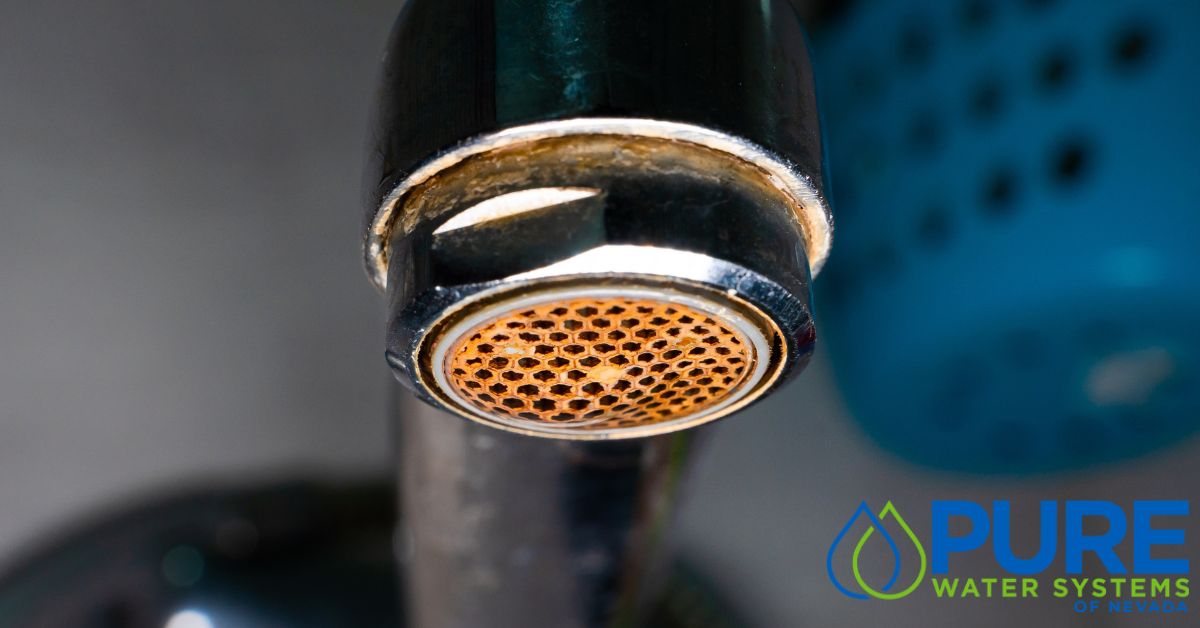
Hard water carries a high concentration of dissolved minerals, mainly calcium and magnesium, picked up as water moves through rock and soil. It is not a health hazard, but it forms limescale: which clogs pipes and steadily reduces the efficiency of water heaters and appliances.
Signs You Have It
- Limescale on faucets and showerheads
- Soap scum in sinks and tubs
- Spotting on dishes and glassware
- Soap and shampoo that won’t lather, so you use more
- Dishwashers and washing machines running less efficiently and needing repair more often
- Dry skin and hair, as mineral and soap residue strips natural oils
How Softeners Work
Ion exchange is the core of it. Hard water passes through a resin bed; the calcium and magnesium are attracted to the resin and swapped for sodium or potassium. The hardness minerals leave with the regeneration cycle rather than depositing in your plumbing.
Types available
Salt-based ion exchange is the standard and the only approach that genuinely removes hardness minerals. It is what we install for hardness at Northern Nevada levels.
Salt-free conditioners use catalytic media to alter mineral structure so scale is less likely to adhere. They do not remove hardness, your water will still test hard, but they can reduce scale formation, and they suit households that want to avoid salt entirely.
Magnetic conditioners claim to alter mineral behaviour with a magnetic field. We don’t recommend them. After more than 30 years on Northern Nevada water we have not seen them deliver reliable results at the hardness levels we deal with here.
Benefits
Appliances last longer. No scale in the dishwasher, washing machine, or water heater means fewer breakdowns, less energy to do the same work, and a longer service life.
Cleaning and laundry improve. Soap lathers properly, so you use less of it. Laundry comes out softer and brighter because mineral residue isn’t stiffening the fibres.
Skin and hair. Less residue left behind means less dryness and irritation, which matters most to people with sensitive skin or eczema.
Running costs drop. Efficient appliances, fewer repairs, less detergent. See our cost breakdown for the numbers.
Environmental Considerations
Salt-based systems do discharge brine during regeneration, and salinity in wastewater is a genuine consideration in arid regions like ours. Modern systems regenerate on demand rather than on a timer and use considerably less salt than older equipment, worth asking about when comparing systems.
Choosing a System
Start with a water test. Hardness level, household size, and peak water use all determine what size and configuration you need, and oversizing is the most common and most expensive mistake, because water moves too slowly through an oversized vessel and the system wastes water, salt, and power.
That sizing judgement is the main argument for professional installation. A softener plumbed in correctly but sized wrong will underperform for its entire life, and neither you nor the box it came in will tell you that’s what happened.
Book a free water test or call (775) 324-2001.